Prices show in your currency, with trips close to home and your public holidays.
Use my current locationDetected from your connection
ColumbusUnited States · $ USD
October · 24°C
Araku Valley
Andhra Pradesh, India · nature, quiet days, big views
What will you do each day?
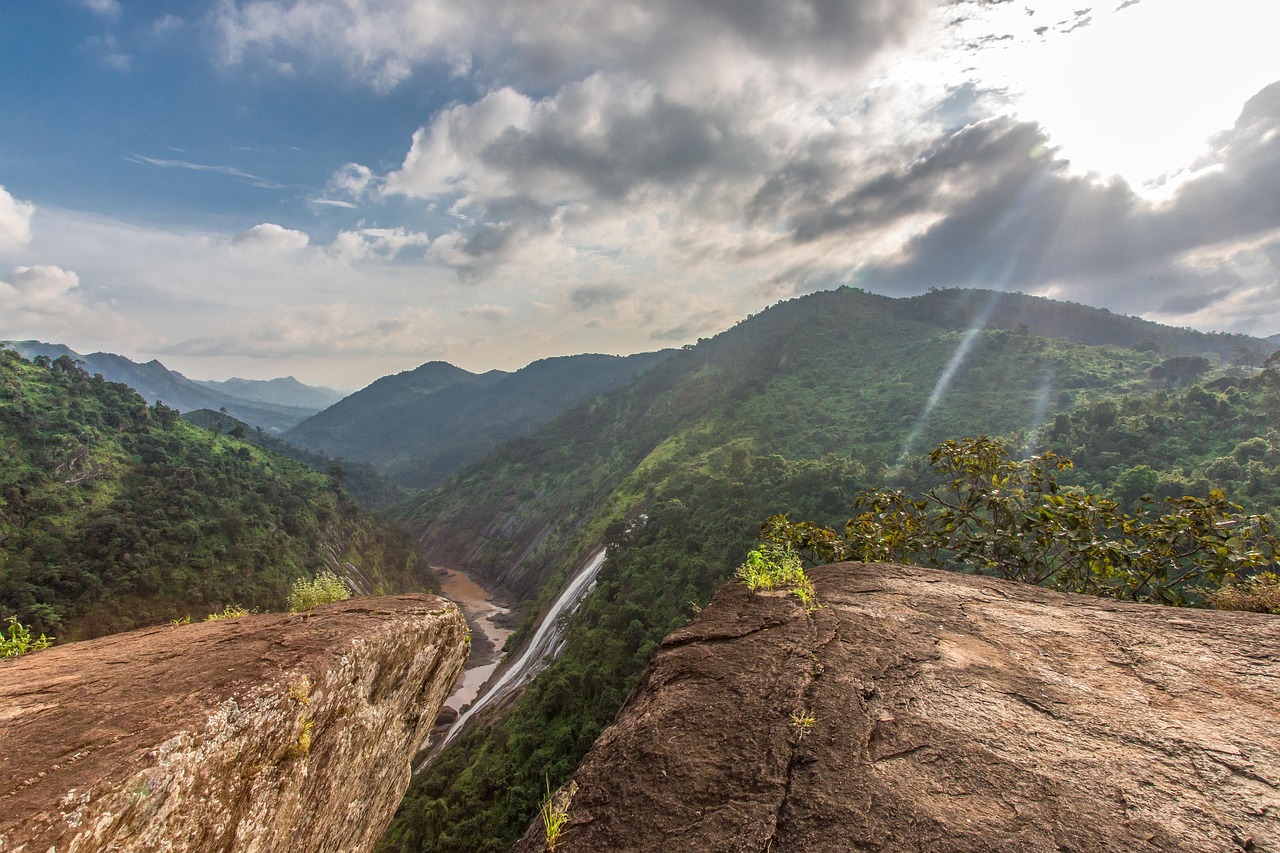
Araku sits at about 900 m in the Eastern Ghats of Visakhapatnam district, home to Adivasi communities and coffee plantations under silver oak. November to February is cool and green; monsoon brings landslide delays. The scenic train from Visakhapatnam is the thing to plan around, as seats sell out.
Day 1
Columbus to Araku Valley
Travel day · about 23h56 door to door
23h56
Getting there
Columbus to Araku Valley
Where are you travelling from?
Prices show in your currency, with trips close to home and your public holidays.
Use my current locationDetected from your connection
ColumbusUnited States · $ USD
23h56 door to door
To CMH airport and check inArrive 2–3 hours before an international flight2hin your ticket
Columbus (CMH) → Delhi → Alluri Sitarama Raju International Airport (Vizag) (VTZ)1 stop · about 13,369 km18h56≈ $1,010 pp
VTZ to Araku Valley · 78 kmPassport and bags, then a train or transfer3h≈ $20 pp
Pick another way to travel and the price changes with it. Check times and fares before you book.
The Kothavalasa-Kirandul line climbs the Eastern Ghats through dozens of tunnels and over bridges, with the best views between Borra Guhalu and Araku.
More details
The Kothavalasa-Kirandul line climbs the Eastern Ghats through dozens of tunnels and over bridges, with the best views between Borra Guhalu and Araku. The day train takes roughly five hours one way. Some services have glass-roof Vistadome coaches.
Tip Book the Vistadome coach early on IRCTC; sit on the right side going up. Check the day's timetable.
Getting there Train from Visakhapatnam station; road alternative is about 110 km, 3-4 hours.
Taxi or auto-rickshaw to Tribal Museum Araku≈ $5
We don’t have an exact location for Visakhapatnam-Araku scenic train ride, so check the distance with your driver before you set off.
2
Tribal Museum Araku
Morning1h≈ $0
A small museum run by the tribal welfare department displays costumes, tools, jewellery and models of huts of the local communities.
More details
A small museum run by the tribal welfare department displays costumes, tools, jewellery and models of huts of the local communities. It helps put the valley's villages and the Dhimsa dance in context. Visits take about an hour.
Tip Closed one weekday and some afternoons; check locally. Often combined with Padmapuram gardens.
Getting there In Araku town, a short auto ride from the station.
Local train or taxi to Borra Caves≈ $5
46m23 km
Book the taxi through your hotel.
3
Borra Caves
Afternoon1h30≈ $0
Among the largest caves in India, the Borra Caves were formed by the Gosthani river in limestone at about 700 m in the Ananthagiri hills.
More details
Among the largest caves in India, the Borra Caves were formed by the Gosthani river in limestone at about 700 m in the Ananthagiri hills. Lighting picks out stalactites and stalagmites, and one formation is worshipped as a Shiva lingam.
Tip Open daily with a midday break; entry is a small ticket. Floors are slippery, wear grip shoes.
Getting there About 30 km before Araku on the Visakhapatnam road; stop on the way up by train or car.
Chaparai is a series of cascades over smooth rock, where villagers and visitors wade in the shallows.
More details
Chaparai is a series of cascades over smooth rock, where villagers and visitors wade in the shallows. Flow is strongest after the monsoon, from October onward. Watch your footing, the rocks are slick.
Tip Best October to January; avoid swimming in strong flow.
Getting there About 20 km from Araku on the Sunkarametta route; use a hired car or auto.
Metro or bus to Padmapuram Gardens≈ $0
36m8.7 km
A taxi is quicker door to door but costs more.
5
Padmapuram Gardens
Afternoon1h30≈ $0
This garden on the edge of town has orchid and cactus houses, flower beds and a small toy train for children.
More details
This garden on the edge of town has orchid and cactus houses, flower beds and a small toy train for children. It is a gentle break between sights, rather than a headline stop.
Tip Small entry fee; the toy train costs extra. Quiet on weekdays.
Getting there About 3 km from Araku station by auto.
Walk to Coffee plantation and Tribal Coffee tastingNo fare
2m153 m
Flat and easy on foot.
6
Coffee plantation and Tribal Coffee tasting
Afternoon2h≈ $0
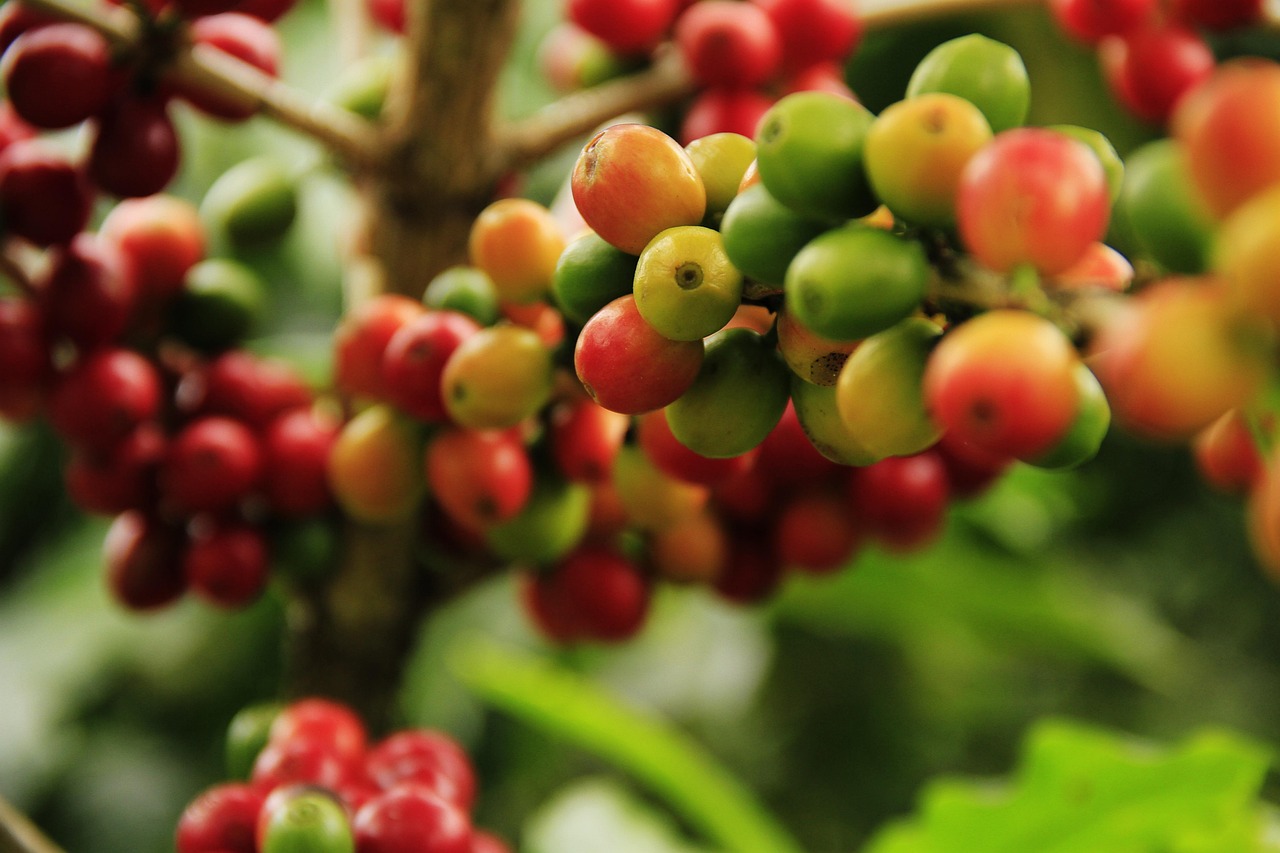
Arabica coffee is grown here by tribal cooperatives, shaded by silver oak with pepper vines climbing the trunks.
More details
Arabica coffee is grown here by tribal cooperatives, shaded by silver oak with pepper vines climbing the trunks. The Araku brand has gained a following across India. Small cafes and plantation visits explain the harvest, usually from December to March.
Tip Ask for a plantation walk at your stay; buy beans from cooperative shops for fair prices.
Getting there Plantations are all around Araku; arrange through your hotel or a local driver.
Add to your dayAdd a stop of your ownAdd to day 3
Day 4
Day 4 is free
Nothing planned. Add your own stop, or leave it open to wander.
Add your own stopSomething we don't list: a friend's place, a market, a rest stopAdd your own
Day 5
Katiki Waterfalls and Anantagiri hills · Araku old town and weekly market walk · Local food tasting in Araku
Long day · about 6h30 of sightseeing
3 stops≈ $5
7
Katiki Waterfalls and Anantagiri hills
Morning3h≈ $0
Katiki falls are reached by a short, steep walk from the road near Borra.
More details
Katiki falls are reached by a short, steep walk from the road near Borra. The surrounding Anantagiri hills have coffee and viewpoints on the way. Combine with Borra Caves on the same day.
Tip Monsoon trail is muddy; carry water and wear grip shoes. Check locally for the entry fee.
Getting there Off the Visakhapatnam-Araku road near Borra, about 35 km from Araku.
Local train or taxi to Araku old town and weekly market walk≈ $5
36m16 km
Book the taxi through your hotel.
8
Araku old town and weekly market walk
Morning2hNo entry fee
Araku's weekly market draws Adivasi families from surrounding hills selling vegetables, forest honey, millets and handicrafts.
More details
Araku's weekly market draws Adivasi families from surrounding hills selling vegetables, forest honey, millets and handicrafts. Walk the main street and market ground for a view of everyday life. Prices are low and bargaining is gentle.
Tip Market day is weekly; confirm the day locally. Go in the morning.
Getting there Centre of Araku, walkable from the station.
Taxi or auto-rickshaw to Local food tasting in Araku≈ $5
We don’t have an exact location for Local food tasting in Araku, so check the distance with your driver before you set off.
9
Local food tasting in Araku
Evening1h30≈ $5
Bamboo chicken, cooked in a green bamboo tube over coals, is the signature dish sold at roadside stalls.
More details
Bamboo chicken, cooked in a green bamboo tube over coals, is the signature dish sold at roadside stalls. Try it with local rice, then finish with a cup of Araku coffee. Vegetarian options are simpler: millet dishes and fresh plantation fruit.
Tip Stalls near Borra and the station; eat where you see turnover. Vegetarians should ask for dishes before cooking.
Getting there Stalls along the main road and near Borra Caves.